K.G Westman: The Suit Maketh the Man (2024)
Ongoing Research project & Performance Series
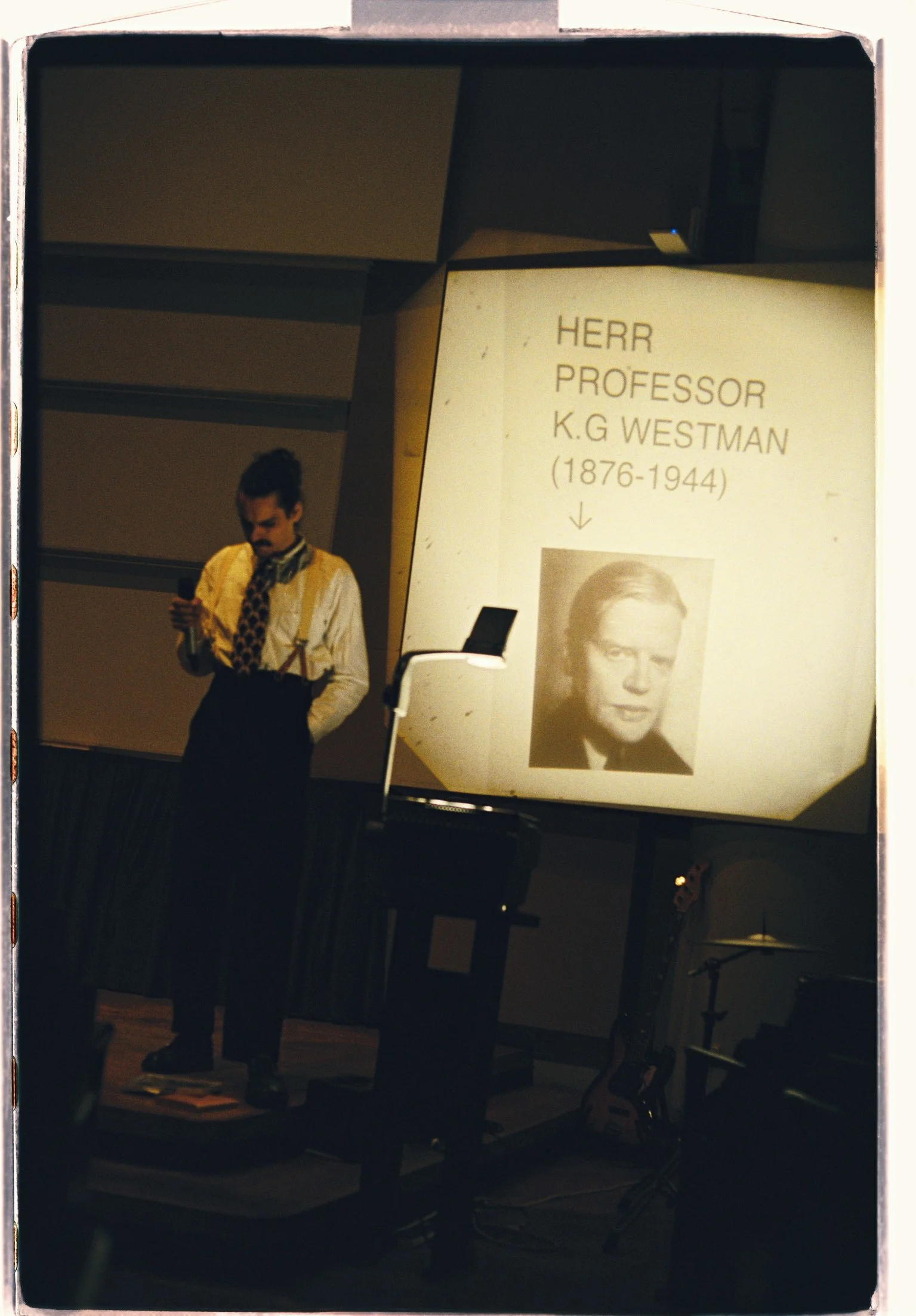
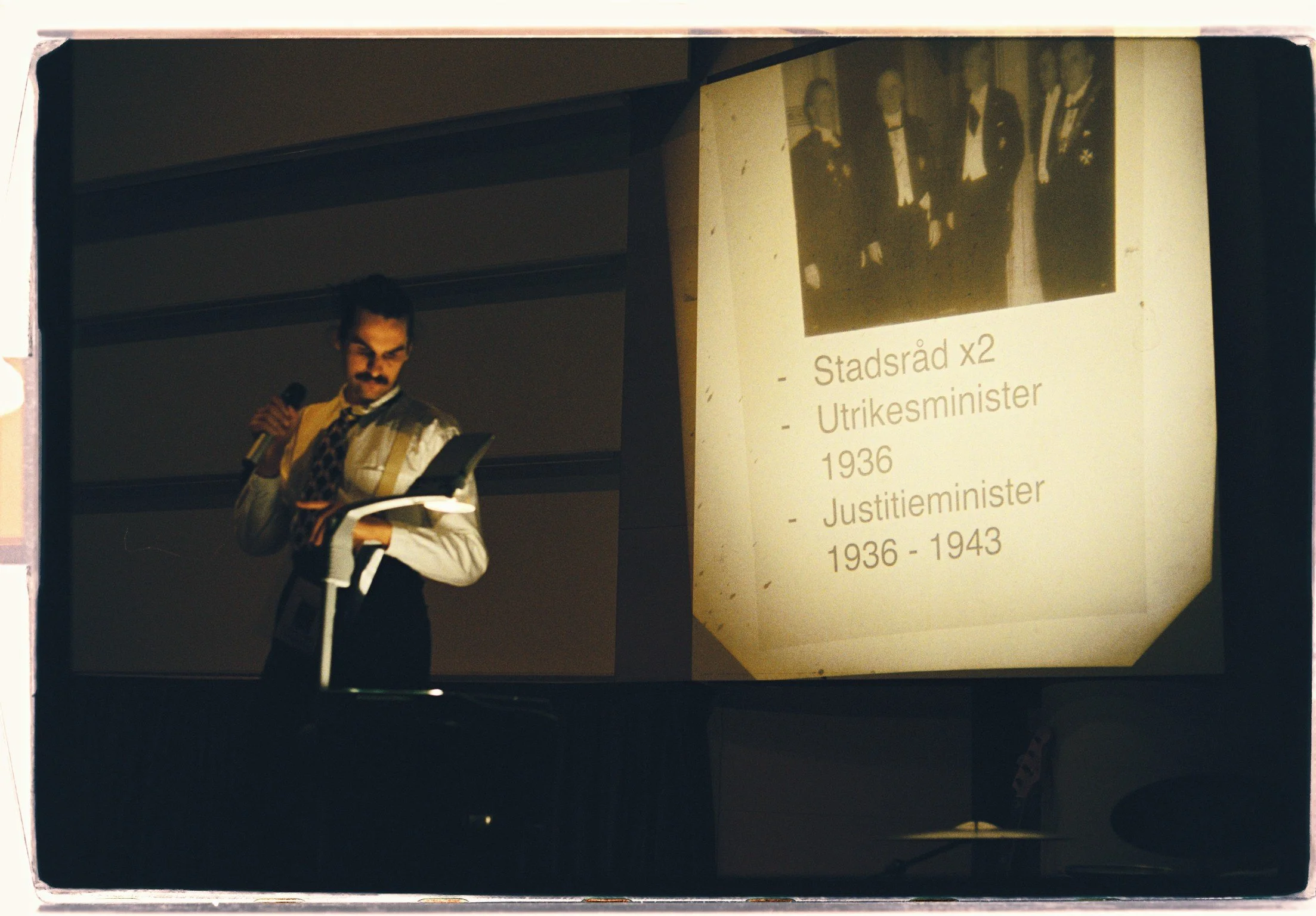
In the autumn of 2023, I bought a blazer from a second-hand store in downtown Stockholm, Sweden, that turned out, according to a tailor’s label, to have belonged to a “Professor K. G. Westman”. I was curious about him, I wondered who he was. This set off a frantic research journey that led me to uncover Westman’s complex and morally ambivalent life and actions.
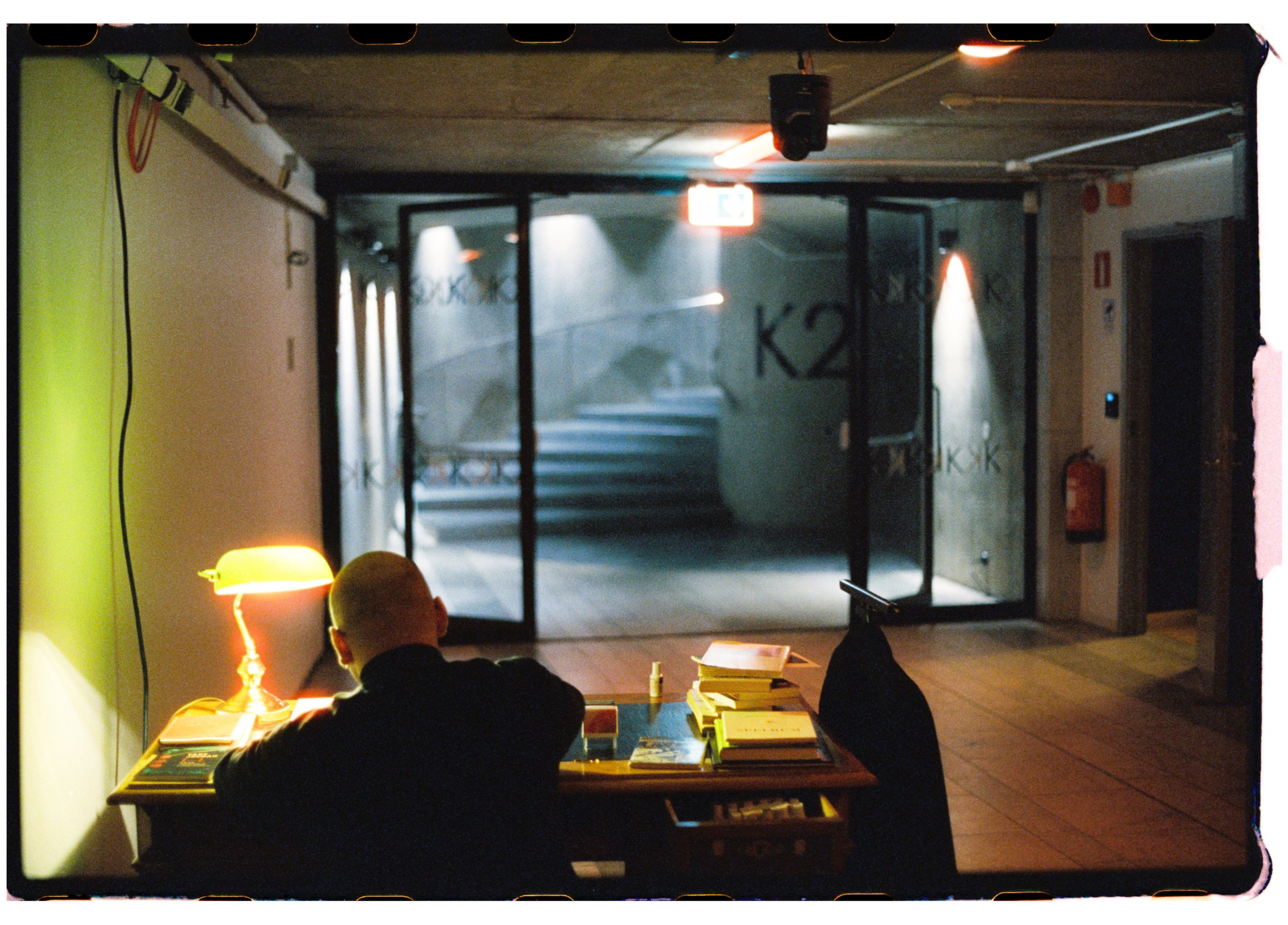
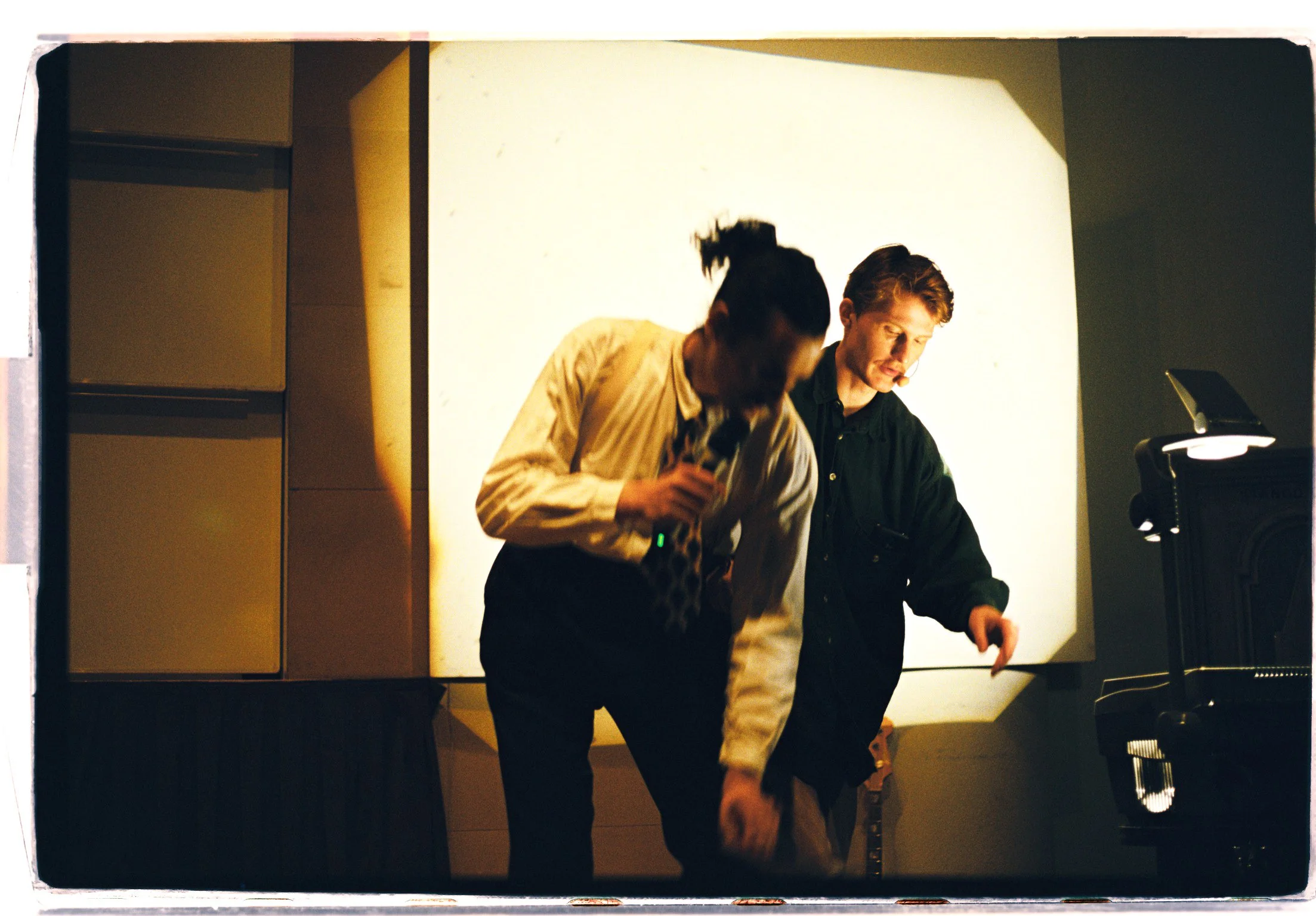
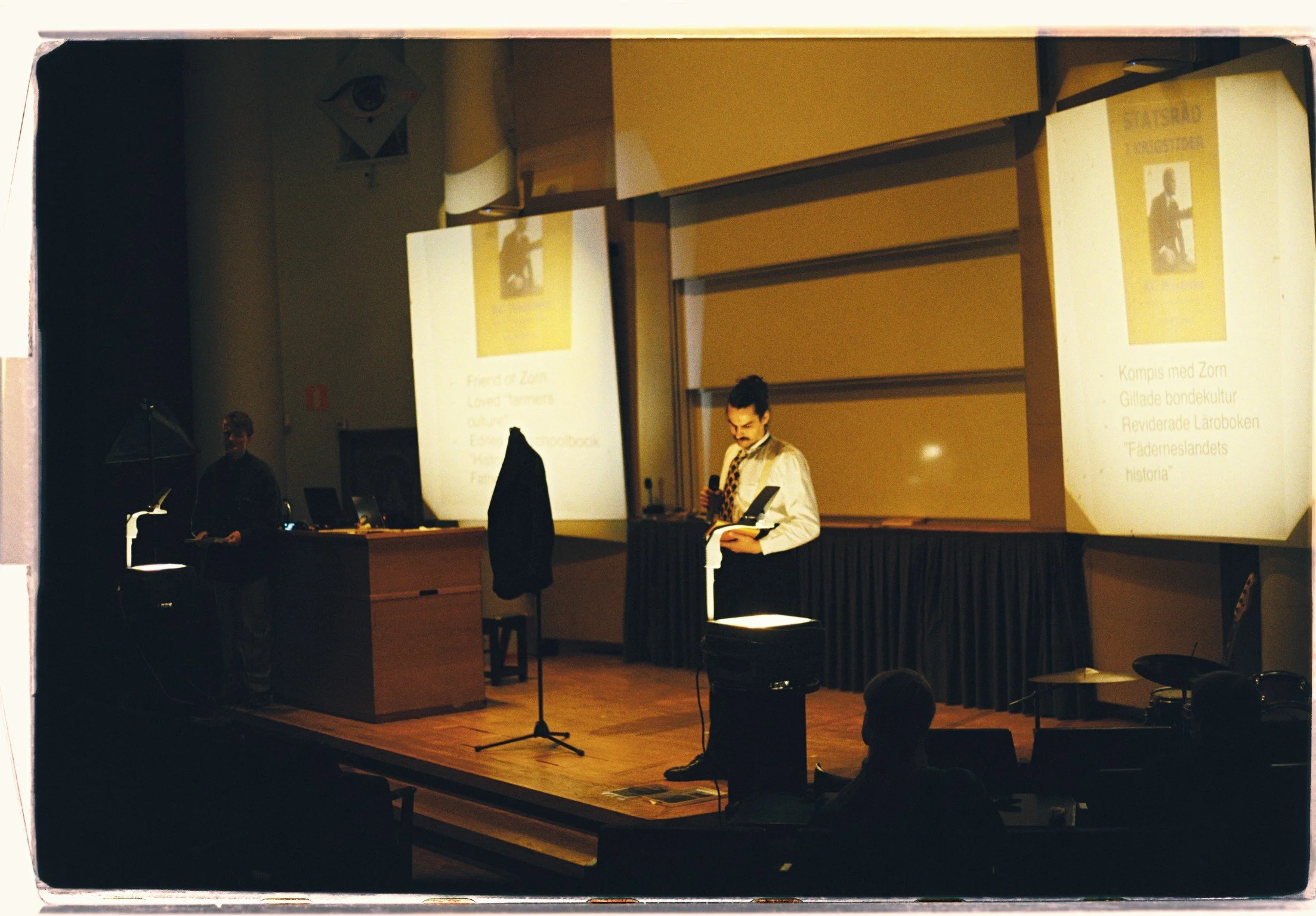
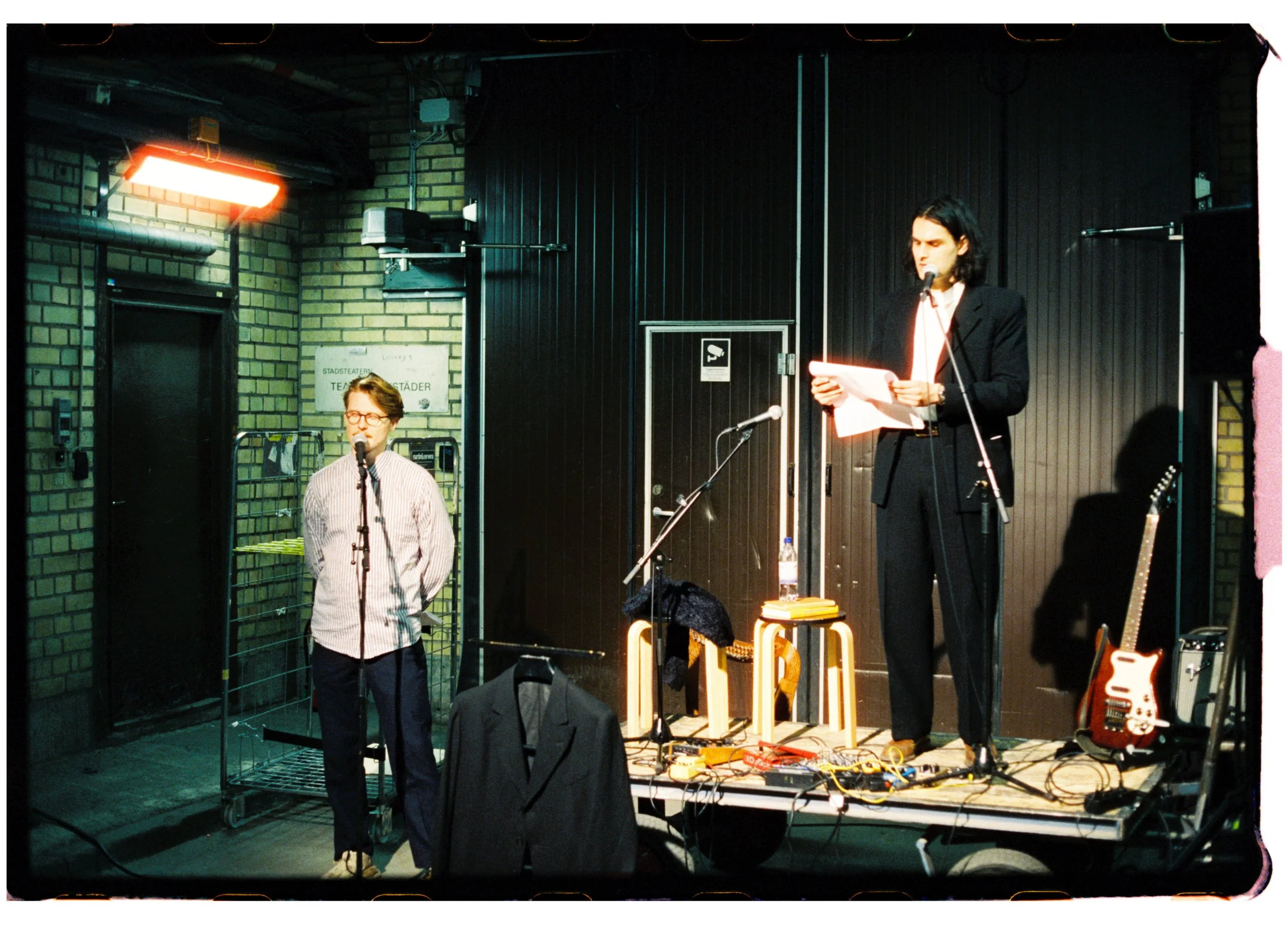
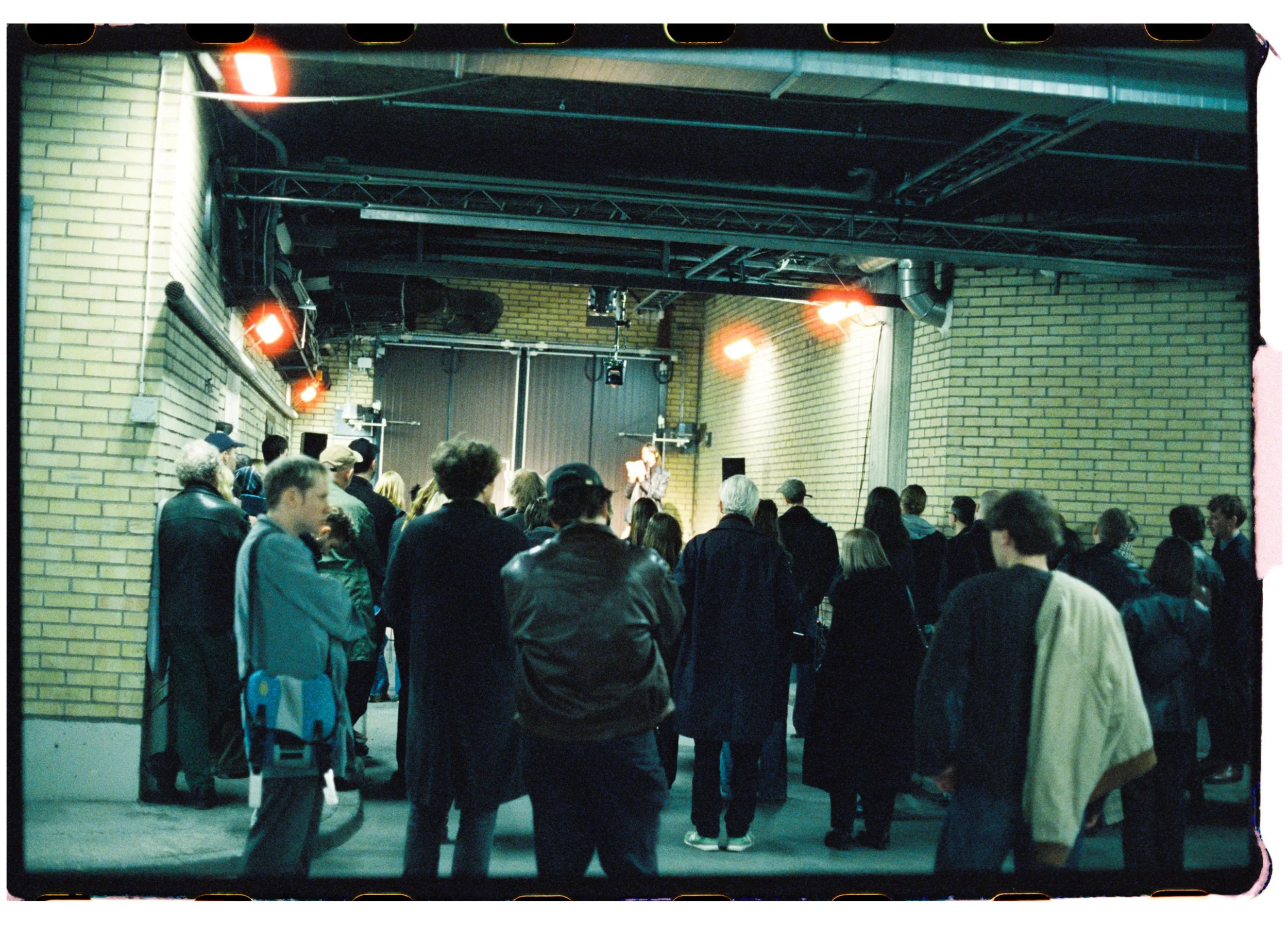
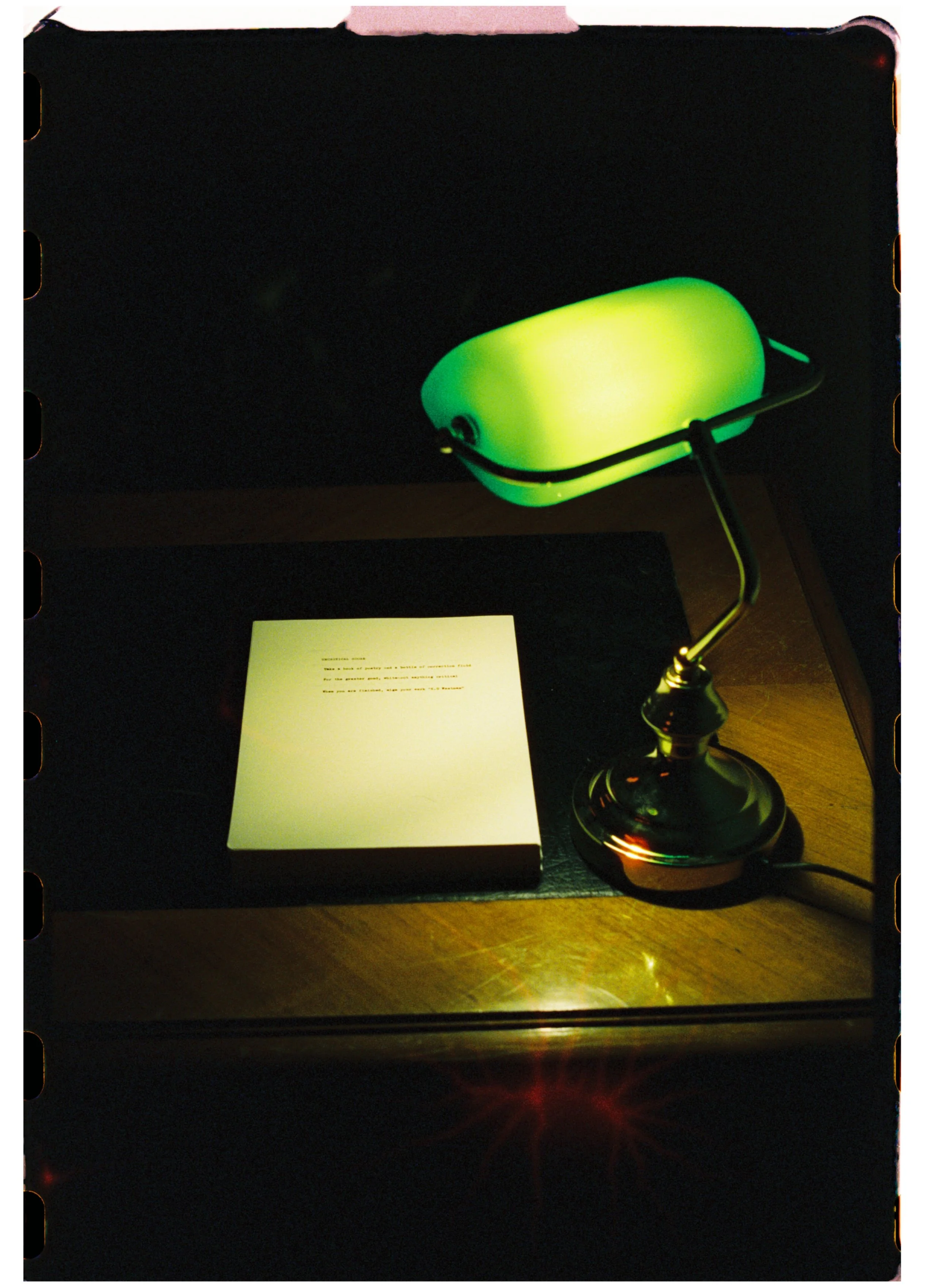
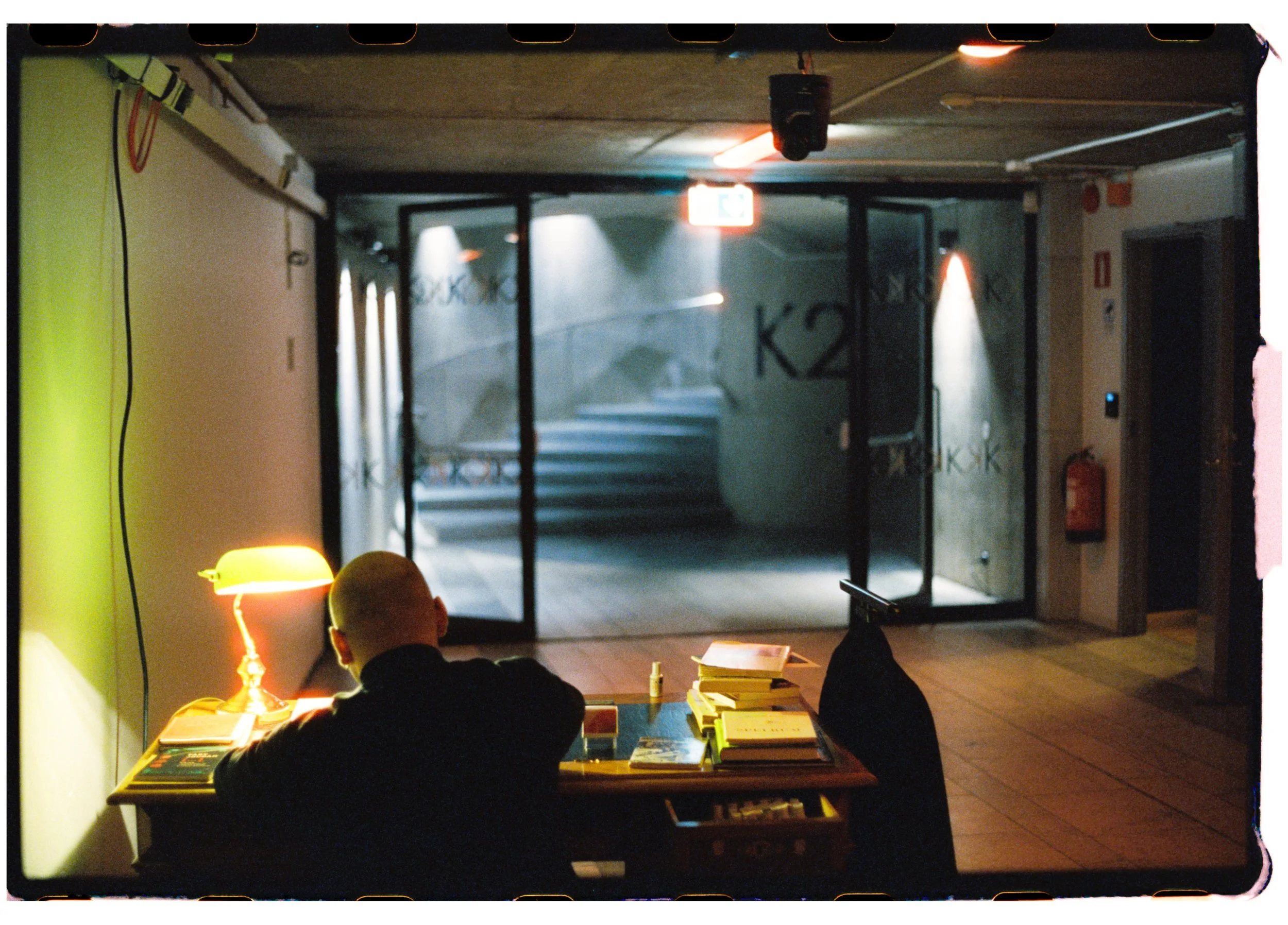
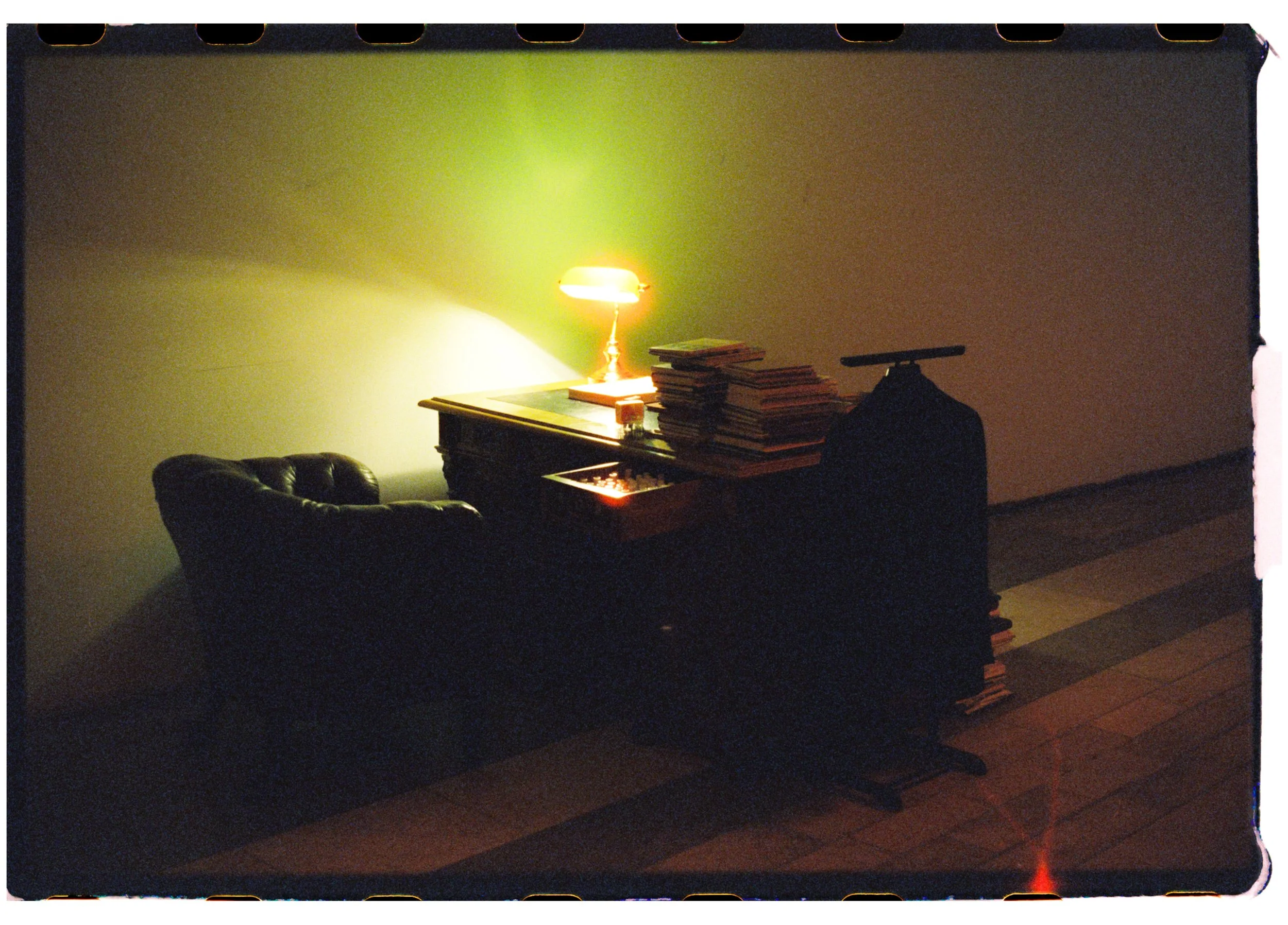
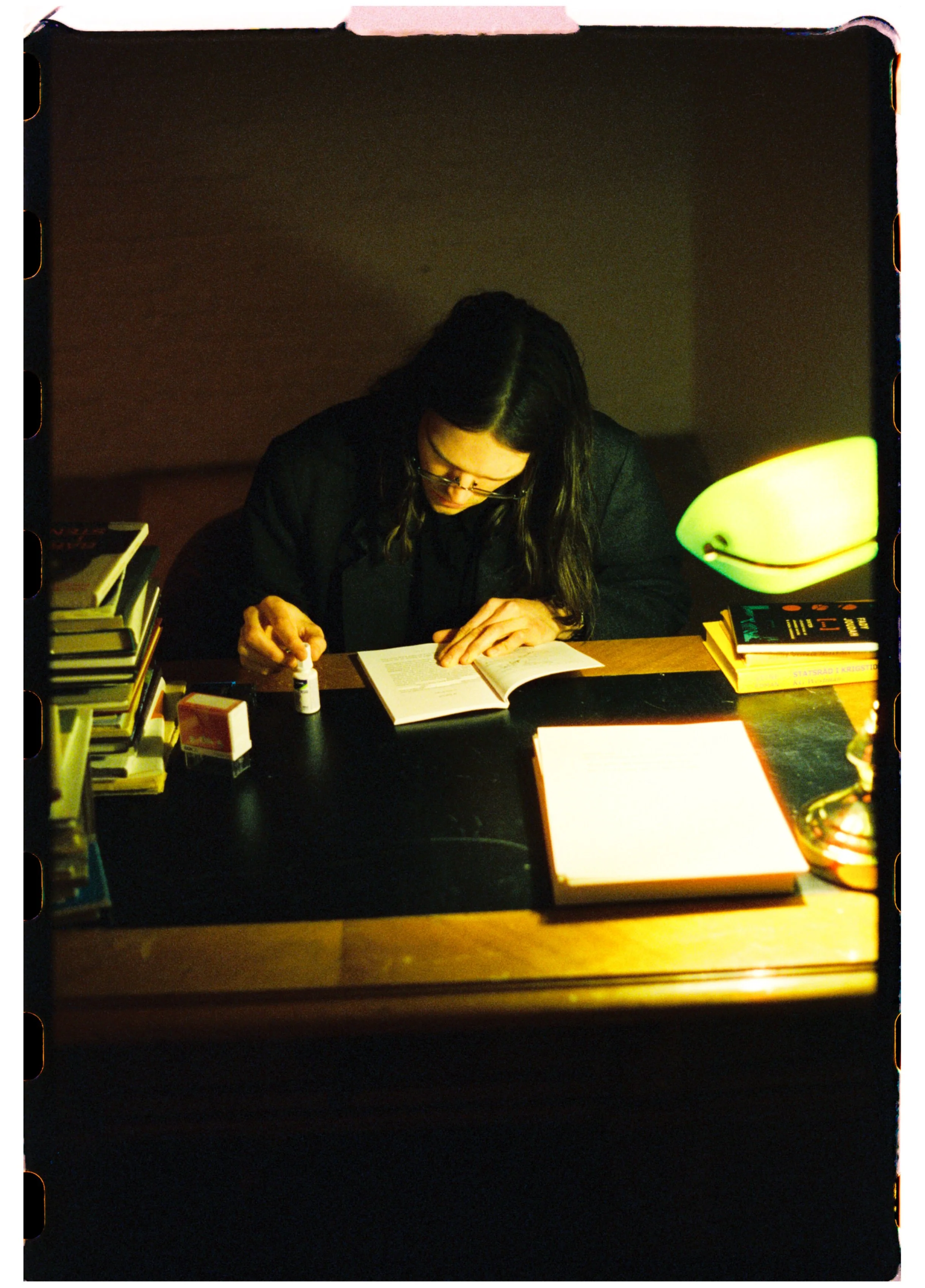
A collaborative performance lecture with the artist Aron Fogelström on K.G Westman was performed twice: once at Handelshögskolan with the SSE art initiative and on Kulturnatten 2025 at Kulturhuset with the poetry publication L’amour La Mort for the launch of their 18th publication: Problemet/Lösningen. I told the story of K.G Westman’s life and actions in Swedish while Aron live-translated what I said into English. At Kulturhuset a secondary performative installation called UNCRITICAL SCORE (2024) took place underground. Visitors were invited to apply K.G’s logic: use a bottle of tippex on a book of poetry to blot out anything they found to be critical. The mirror is turned on the audience: they have agency, a choice in relation to the historical censorship that enabled a world war and a genocide.
Special thanks to Aron Fogelström, and Jonathan Brott